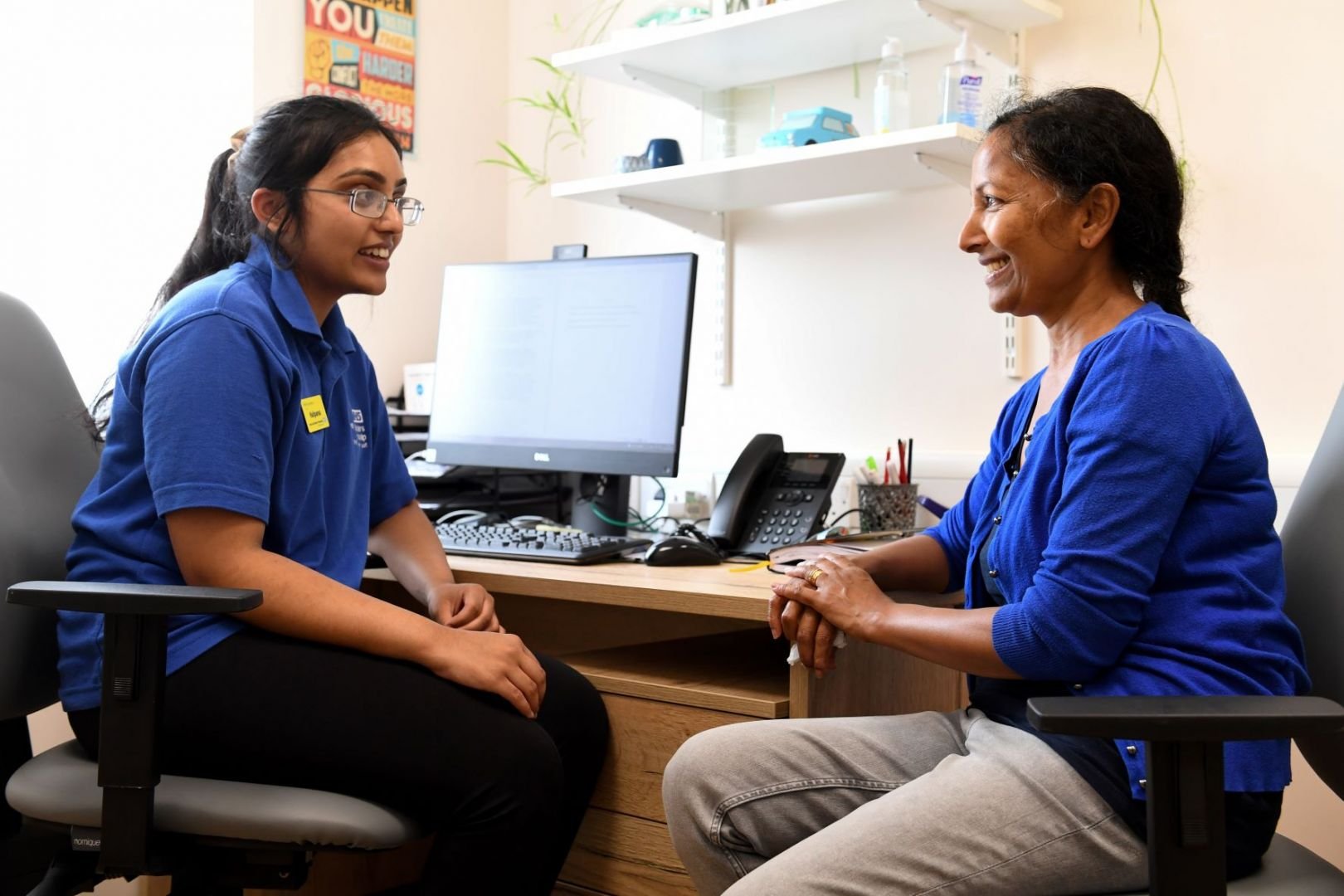
Laura's story
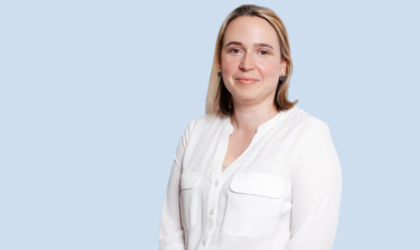
Meet Laura, Principal Clinical Psychologist
I really enjoy the mix of clinical work, supervision, consultation and development work.
What’s your role at SABP?
I’m a Clinical Psychologist working in the Neurodevelopmental Service. I joined the trust in January, so I’m still fairly new to the team. My role is mainly within the autism pathway, where I get involved in assessments that are more complex or where the team have asked for a psychological perspective. This can include exploring someone’s mental health, offering an assessment and formulation of their difficulties, or carrying out additional neuropsychological assessments to support understanding.
I also support colleagues in the wider trust through consultation, for example, they might bring a case to our forum if someone is open to Community Mental Health Recovery Services (CMHRS) but they want more clarity around neurodivergence. Sometimes those discussions lead to more detailed assessment through our complex pathway.
Describe a typical day
There’s no such thing as a typical day, which I know lots of people say, but it’s true! One day I might be doing a joint assessment with my Speech and Language Therapist colleague in the morning, and then a triage appointment in the afternoon to explore if someone might benefit from Cognitive Analytic Therapy (one of the main models I am trained in). Another day might be completely different - meeting with colleagues, having or offering supervision, meeting with my trainee, or working on planning and service pathways. Some days I don’t see any clients at all, and others are completely clinical.
Referrals to psychology usually come through the wider neurodevelopmental team. For example, colleagues might complete an autism assessment and feel that psychological input is needed, so they’d speak with me, and I’d pick it up from there.
What do you enjoy most about your job?
I love the variety. No two days are the same, and I really enjoy the mix of clinical work, supervision, consultation and development work. It’s a job that stretches me in different ways and that keeps it interesting.

 Meet our people